
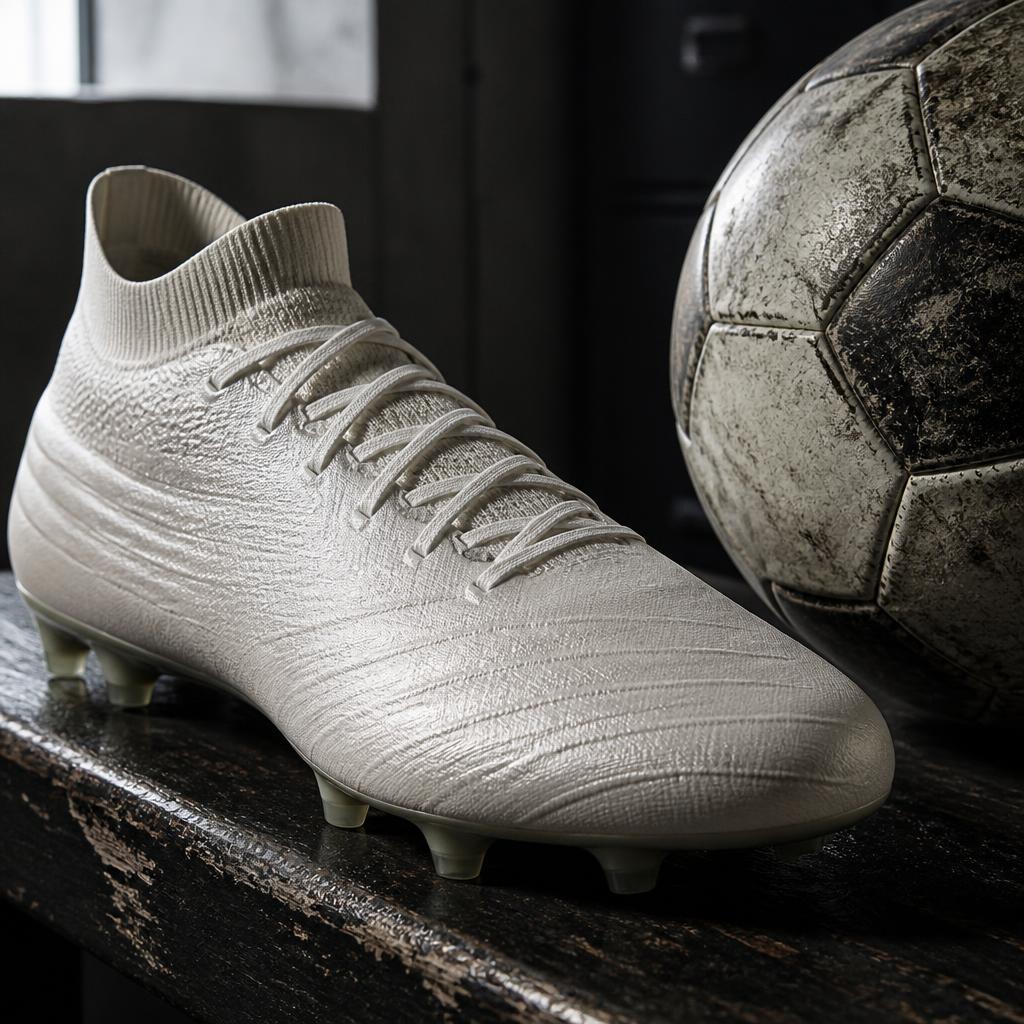
Midfielders often cover more different actions than any other player: receive, turn, press, recover and repeat. That makes a comfortable, predictable cleat a more useful starting point than a position label on a box.
01 / Start with the work, not the marketing
A midfielder's cleat does not need to advertise a particular role to be useful. First name the actual schedule. Does the player train mostly on natural grass, artificial grass or turf? How long are sessions? Do they spend more time receiving and passing, or making repeated sprints and changes of direction? These answers help narrow the outsole and fit before upper materials or colorways enter the conversation.
Look for a secure heel and a forefoot that lets the toes spread naturally without sliding. Midfielders make many small adjustments, so movement inside the shoe can become distracting long before a dramatic sprint exposes it. A pair that feels steady during a warm-up, short pass and controlled cut is worth more than a lighter number that creates pressure.
02 / Touch is personal
Some players like a thin upper that keeps the ball feeling close. Others prefer a little structure or padding, especially during cold-weather sessions or when they play through contact. Neither preference is automatically more technical. Ask the player to receive a few passes, use the inside and laces, and describe whether the ball feels predictable rather than asking whether the upper feels premium.
A textured upper can influence how a player perceives a touch, but it cannot replace technique or make every pass accurate. Stitching, overlays and padding also change how a shoe bends. When possible, compare two shapes with the same socks and walk, jog and strike a ball before deciding. The useful question is whether the upper helps the player trust the next action.
03 / Comfort has a workload
Midfielders may spend an entire practice moving between low-speed technique and high-speed work. Check for rubbing around the heel, lace pressure across the instep and pinching at the widest part of the foot. A cleat should feel secure without requiring the player to ignore discomfort. Numbness, sharp pressure or a heel that lifts repeatedly are reasons to try another size or shape.
Try footwear later in the day and with the socks used for soccer. Compare both feet, because a small difference in length or width can change the fit. Do not count on a painful break-in period to solve a poor match. Some materials soften, but pressure points and a fundamentally unstable heel rarely become good fit through optimism.
04 / Make the parent calculation
A higher price can reflect construction, material or a different weight, but it does not guarantee that a young midfielder will fit the shoe. Put the money toward the most repeated need: correct sizing, a surface-appropriate outsole and a pair that can handle the player's schedule. If the foot is growing quickly, a sensible fit and clear return policy may matter more than a flagship tier.
Ask how the cleat will be cared for after training. Wet gear should be aired out rather than sealed in a bag, and the upper should be cleaned according to the manufacturer's instructions. A simple care routine can extend useful wear, while a second pair only makes sense when the schedule and surfaces justify it. The player can choose the feel; the parent can check the total cost of that choice.
05 / Use a midfielder's movement test
A useful comparison includes the movements that repeat in a midfielder's week: receiving across the body, turning away from pressure, accelerating for a few steps and braking into a new angle. The point is not to perform a scientific test in a store. It is to let the player notice whether the shoe stays centered and whether the upper bends where the foot expects it to bend. One model may feel calm at walking speed and distracting once the player starts changing direction.
Write down the player's first impressions while they are fresh, then ask again after a longer practice if the return policy permits a careful trial. Does the foot still feel supported late in the session? Does the player think about the cleat, or the next pass? This is not a scorecard and it cannot replace a real test program. It is a practical family conversation that keeps a position label from becoming a shortcut.
For a midfielder, start with the surface and a stable, comfortable fit; then choose the touch and weight that make the player's next action feel clear.