
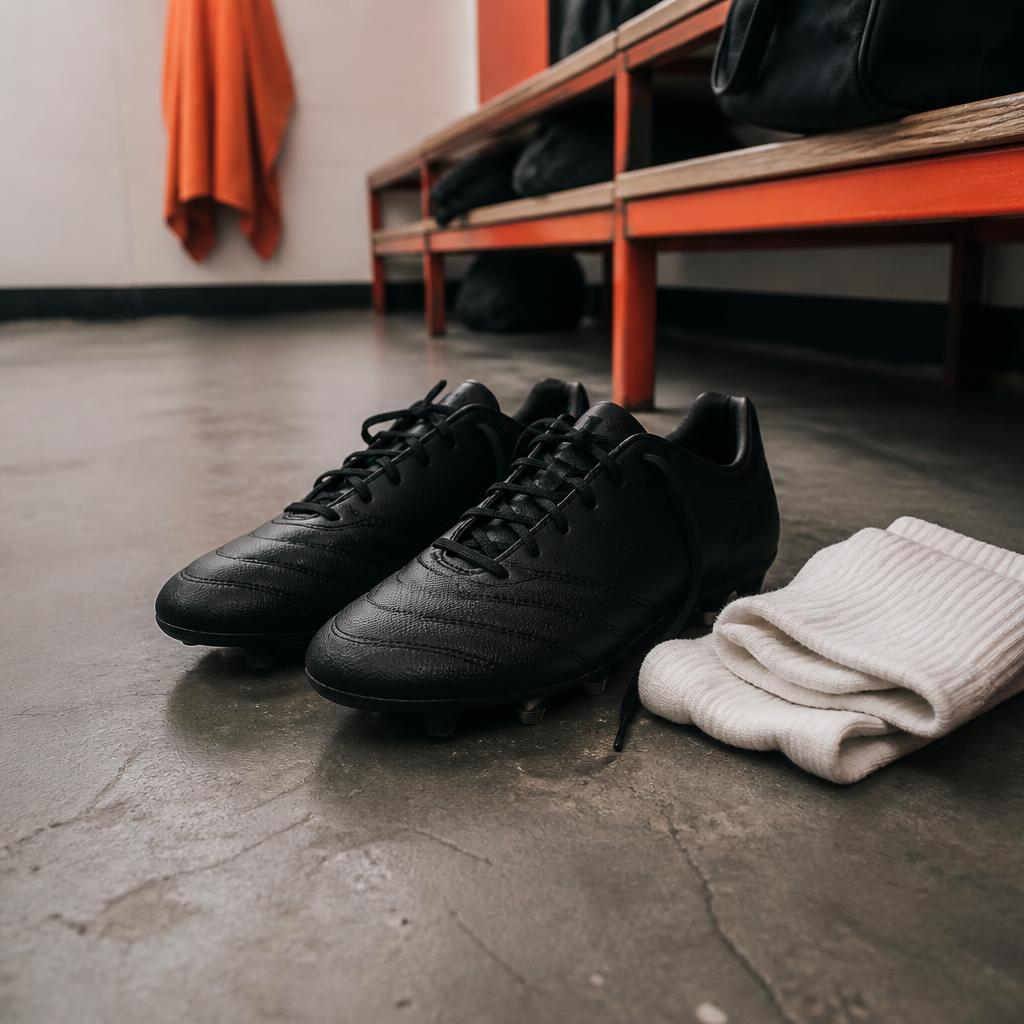
There is no useful universal cleat budget. The right spend is the amount that covers a correct fit and suitable surface without turning a growing player's footwear into a status purchase.
01 / Separate required from optional
Start by asking what the team and facility actually require. A player may need a specific outsole category, but not a flagship model, multiple colorways or a separate match-day shoe. Write down the must-have criteria before browsing. That list gives a family something concrete to compare when packaging and launch language begin to compete for attention.
Include the cost of socks, shipping, taxes and a possible replacement if a size is wrong. Return policies can affect the real total because some footwear must remain clean and unworn outside the home. A lower ticket price is less useful if it removes the ability to verify fit. Budget for the decision process, not just the item.
02 / Spend on the repeated problem
If a player practices four times a week, a comfortable and surface-appropriate fit is likely to matter more than a finish used for one tournament. If they are still learning what shape works for their foot, a sensible entry or mid-level option can leave room to learn without locking the family into a premium price. The most expensive tier is not a universal shortcut.
A higher price may reflect materials, weight, construction or a particular feel, but those differences are only valuable when the player can use them comfortably. Ask whether the upper, soleplate or fit solves a repeated need. If the answer is only that the model is more visible, pause and compare the actual features.
03 / Account for growth and wear
Youth feet change quickly, and a cleat can be retired for fit before the outsole is worn. Buying a much larger pair to extend the calendar creates movement that may undermine comfort. Instead, choose a size that fits now, check it through the season and plan for likely replacement timing. The right interval depends on growth, surfaces, training volume and care.
Parents can inspect the outsole, lining, heel and sole separation at regular points. Keep a simple note of when the pair was purchased, where it is used and when discomfort begins. That history makes the next budget less of a surprise. It also helps distinguish a shoe that is worn out from one that was simply the wrong shape.
04 / Choose together
Let the player explain feel, touch, confidence and what changes when they move. Let the parent compare fit, durability, return terms, care and replacement cost. A useful compromise is a short list of two or three options that all pass the surface and fit checks, then a choice within the agreed range.
No cleat can make a young player faster or more technical by itself. Training, rest and consistent use matter more than a badge. Spend more only when the additional cost supports a need the player can name and the family can verify. A confident, comfortable decision is better value than a dramatic purchase that sits in the bag.
05 / The budget should survive a season
A budget is more useful when it includes what happens after checkout. Consider how often the player practices, whether a foot is growing, how many surfaces are involved and whether the pair needs to be replaced before the next season. A low initial cost may be sensible if the fit is right and the use is light; a slightly higher cost may be sensible if construction and care support frequent use. Neither is automatic. Include the cost of a properly fitting replacement if the player is between sizes rather than counting on one oversized pair to cover every season.
Avoid treating price as evidence of speed, touch or durability. Those qualities must be tied to verified product information and the player's own experience, not a number on a box. The family can compare two options that both pass the fit and surface tests, then choose based on return terms, care and the amount of time the player is likely to get from the pair. A budget conversation can also include what not to buy yet: extra colorways, specialty devices and a second pair for a surface that appears only once a month.
Set a range, protect fit and surface compatibility first, then spend more only when a real repeated need justifies it.