
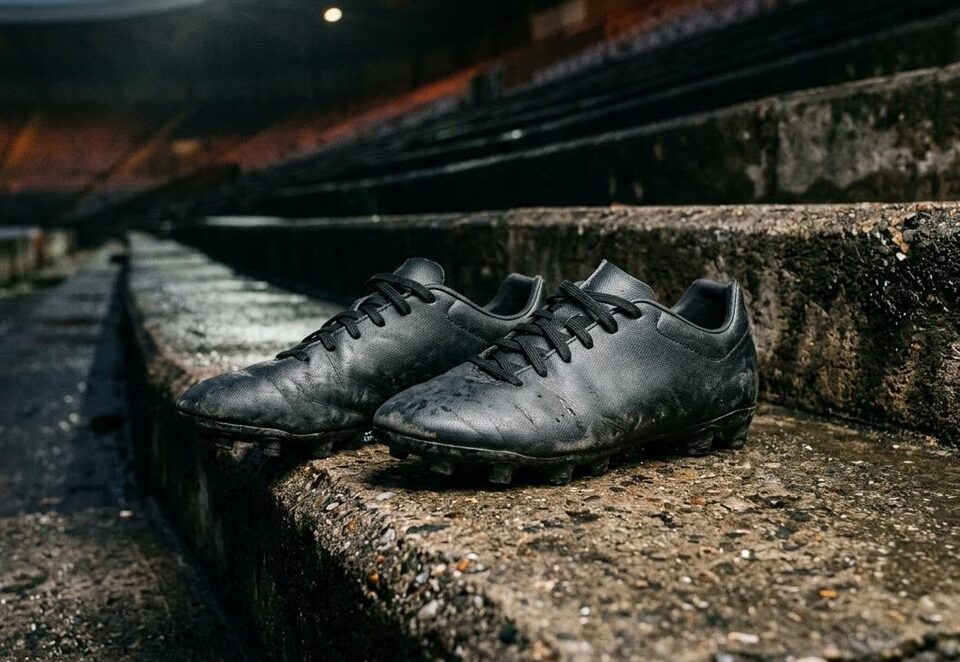
Best Soccer Cleats for Artificial Grass
How to choose between FG, AG and multi-ground soccer cleats when your player spends time on artificial grass.
Identify the actual surface first: natural grass, artificial grass, short-pile turf or another surface. Ask whether the facility calls its artificial field 3G or 4G, but do not treat those names as a complete specification. The exact field construction and footwear rules matter.
Based on published product details and general fitting advice. We have not tested these products. About Soccer Family Guide
FG vs AG vs MG vs TF
These labels are general designations. Manufacturers use them a little differently, so read each product listing and confirm with your club.
| Type | Generally means | Limits |
|---|---|---|
| FG | Firm ground, for natural grass | Not designed for artificial surfaces by default |
| AG | Artificial ground, for synthetic grass | May feel different on natural grass; field type still matters |
| MG | Multi-ground, a mixed stud pattern | Not automatically right for every player or field |
| TF/turf | Short studs or nubs for turf | Not intended for firm natural grass |
Keep youth and adult options separate
The adidas F50 Sparkfusion League Kids is the strongest youth-specific verified FG/AG option in our catalog. The PUMA FUTURE 8 PLAY is an adult FG/AG model and should not be treated as a youth cleat.
We do not recommend either for a particular field because the catalog does not establish that. Neither has been tested by us.
Current verified options
Product details come from our verified catalog. The notes under each card are editorial advice and limits, not test results.
Checking the current catalog.
These are not rankings or test results. Confirm size, field rules and price on the listing before buying.
Ask your club about the field
This is the most useful step. A short message to the club or coach can save an unnecessary purchase.
- What surface is the field?
- Is it natural grass or artificial?
- Is it 3G or 4G, if the club knows?
- What footwear does the club recommend?
- Are metal studs prohibited?
- Are there tournament-specific footwear rules?
Why FG is not automatically the best choice on artificial grass
FG soleplates are designated for firm natural grass, not blanket approval for artificial surfaces. Stud length, shape and spacing differ between models, so a familiar-looking outsole or a friend wearing the same pair is not evidence of suitability.
Read the exact manufacturer surface guidance and ask the facility which soleplates it permits. If those instructions conflict, seek clarification rather than treating either as permission to ignore the other. This guide makes no injury-prevention or safety guarantees.
When a multi-ground option makes sense
MG or FG/AG-style cleats can help when a player moves between surfaces and you want one pair. They are a compromise, which makes them convenient but not perfect for every field, and they are not automatically ideal.
Check your cleats before a tournament
Do this at least a few days ahead, not in the parking lot.
- Confirm the field surface and footwear rules
- Check the studs for wear or damage
- Look for a loose or separating sole
- Make sure the fit is still comfortable
- Pack a spare pair if you have one
- Clean the soleplate
Keep going
Use these pages to narrow down options and plan the weekend.
Questions, answered
Can you wear FG cleats on artificial grass?
Sometimes players do, but FG is designed for natural grass. Whether it works depends on the specific field and any club or venue rules. Check first.
What does AG mean in soccer cleats?
AG stands for artificial ground. It marks a soleplate designed for synthetic grass fields.
What is the difference between AG and FG?
Mainly the stud design. FG is built for natural grass, AG for artificial grass. Exact shapes vary by manufacturer.
Are FG/AG cleats good for youth players?
They can be, when sized for kids and the field matches. Adult FG/AG cleats are not youth products. Confirm your field and the fit.
What cleats should I use on 4G turf?
Ask the club first. Some listings mention 4G suitability, but we do not establish that for every product, so use the club guidance and the product details.
Find out what the field is, ask what the club allows, then choose the soleplate. The label on the box comes last.