
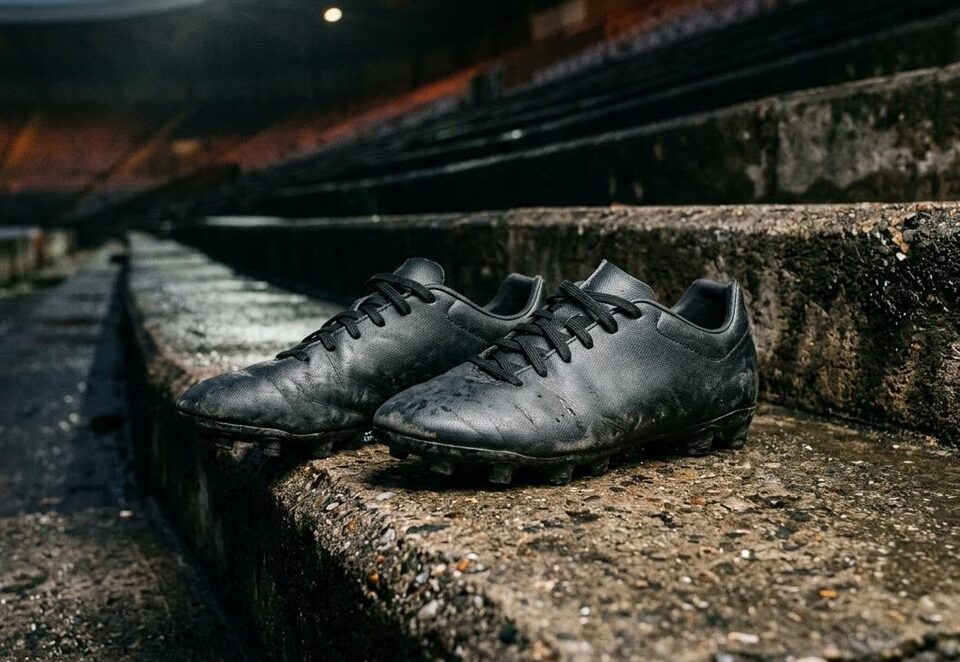
FG vs AG vs MG Soccer Cleats
Two fields can both look green and still call for different footwear. The letters on an outsole are useful starting points, but a manufacturer’s model instructions and the venue’s rules are what decide whether that pair belongs on the field.
FG generally refers to firm natural ground, AG to artificial grass and MG to a manufacturer-defined multi-ground outsole. None is a universal permission slip. Identify the field, read the exact boot’s specification, then check venue rules.
Based on published specifications and fit principles. We have not tested these cleats on the field.
What those three labels actually tell you
FG: a firm-ground designation, usually associated with firm natural grass. AG: an artificial-grass designation. MG: a multi-ground designation whose allowed surfaces can differ between products. Read the specification rather than filling in the missing detail yourself.
Do not confuse AG with TF turf shoes or flat-soled indoor shoes. Older short-pile or carpet-like surfaces and indoor courts can have different requirements from an outdoor artificial-grass field.
Current options to compare
Checking the current catalog for options that match this guide.
These are verified surface examples, not a comparison proving one outsole is best. The current catalog does not provide a verified dedicated youth AG or MG recommendation.
Choose around the surfaces on your schedule
A player using one familiar natural-grass venue has a different buying problem from someone traveling between several types of artificial field. List the practice and match locations before deciding whether one pair can cover both.
For mixed schedules, an expressly compatible FG/AG or MG model can be worth considering. The letters alone still do not confirm that the exact venue permits it, or that it suits the player’s foot.
Artificial grass is not one uniform surface
A manufacturer may name a particular artificial-grass generation or construction. That limitation matters. Do not silently expand a stated 4G compatibility claim to every synthetic surface.
When traveling for a tournament, confirm the field type and footwear rules before packing. If the venue cannot clarify them, do not guess from a satellite image or from what another team wore last season.
The correct outsole still needs the correct fit
Surface suitability does not solve width, toe space or heel movement. Check both feet with match socks, and make sure the boot remains secure during permitted indoor fitting movements.
Keep junior and adult sizing separate. The options below deliberately show their age categories; they are examples of verified specifications, not equivalent substitutes for the same player.
Do not turn an outsole label into a medical claim
Avoid buying based on promises that a particular stud pattern prevents injuries. We do not have testing or medical evidence to make that claim for these products.
The practical mistake is skipping the model instructions or venue rules. A familiar brand, a suitable-looking stud photograph and a teammate’s recommendation do not replace either check.
Cleat questions, answered
Does MG mean it works on every field?
No. Check the exact model’s intended natural and synthetic surfaces. A multi-ground label does not automatically include indoor courts, short-pile turf or every artificial-grass venue.
Can FG cleats be used on artificial grass?
Only when the exact manufacturer guidance and venue rules permit that use. Do not apply one model’s permission to every FG boot.
Should I pack a second pair for a tournament?
If the scheduled fields require different approved footwear, plan accordingly. Confirm the actual venues first rather than buying an extra pair on speculation.
Field first. Exact model instructions second. Venue permission before the purchase.