
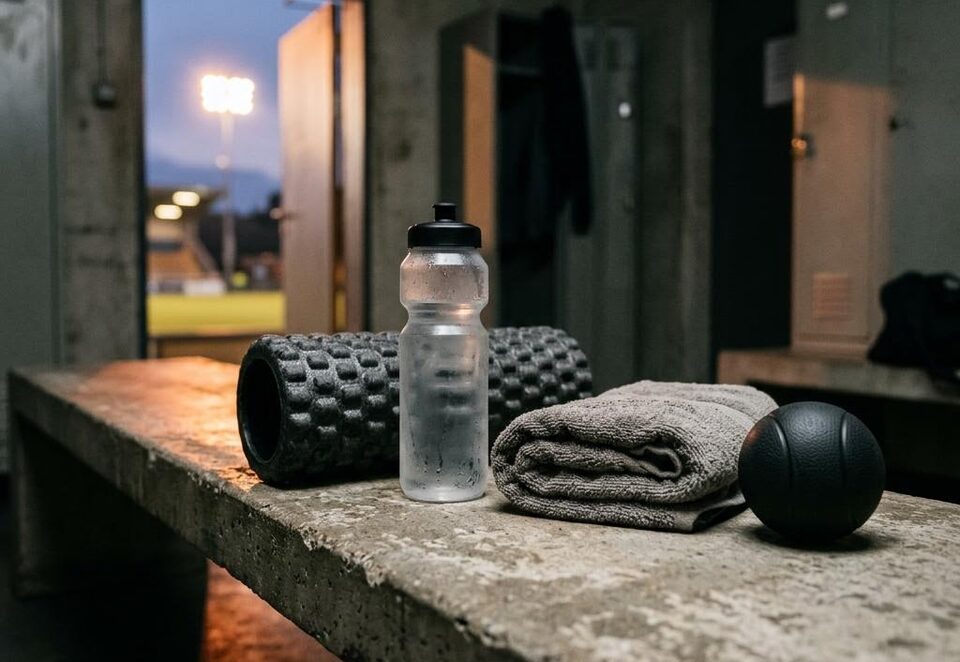
A recovery shopping list should start with a question: what problem does the player actually need help managing? Equipment is optional. It cannot replace enough rest, suitable food, hydration, sensible training load or qualified assessment when pain is present.
01 / Start without a purchase
Plan the time between sessions, the journey home and the next morning before comparing devices. Dry clothes, accessible water and a realistic opportunity to rest are practical preparation steps, not performance guarantees.
Ask the player how they feel and discuss ongoing soreness or workload concerns with the appropriate coach or qualified professional. Buying a tool should not be the default response to discomfort.
02 / Read the use and age guidance
If considering a tool, read the exact manufacturer’s instructions, intended users and limitations. Confirm whether a young player can use it independently or needs supervision. A popular product category does not establish suitability for every age or condition.
Choose a setup that can be stored, cleaned and used correctly. Size, pressure, settings or battery requirements should come from the exact product evidence, not assumptions transferred from another model.
03 / Separate comfort from medical claims
A tool described as comfortable or convenient is not proven to prevent injury, treat pain or speed recovery. We do not assign those claims without appropriate evidence, and this guide is not medical advice.
Do not use equipment to ignore or work through pain. For an injury or persistent symptoms, seek qualified advice about safe activity rather than treating an affiliate product as a solution.
04 / An honest shortlist gap
No exact Amazon recovery product has currently passed the catalog verification process. There are no invented device specifications, rankings or purchase buttons in this guide. When products are reviewed, the age guidance, exact model and limitations must be established before a public recommendation.
For now, use the guide to decide whether a purchase is needed at all. If the purpose is unclear, saving the money is a reasonable decision.
Rest and sensible planning come first. Any optional tool needs exact instructions and a clear purpose; it is not a treatment or injury-prevention promise.