BACKPACKS
For players who want a compact, easy-to-carry setup for training and everyday use.

From training days to tournament weekends, the right soccer bag makes it easier to keep your gear organized and ready to go.
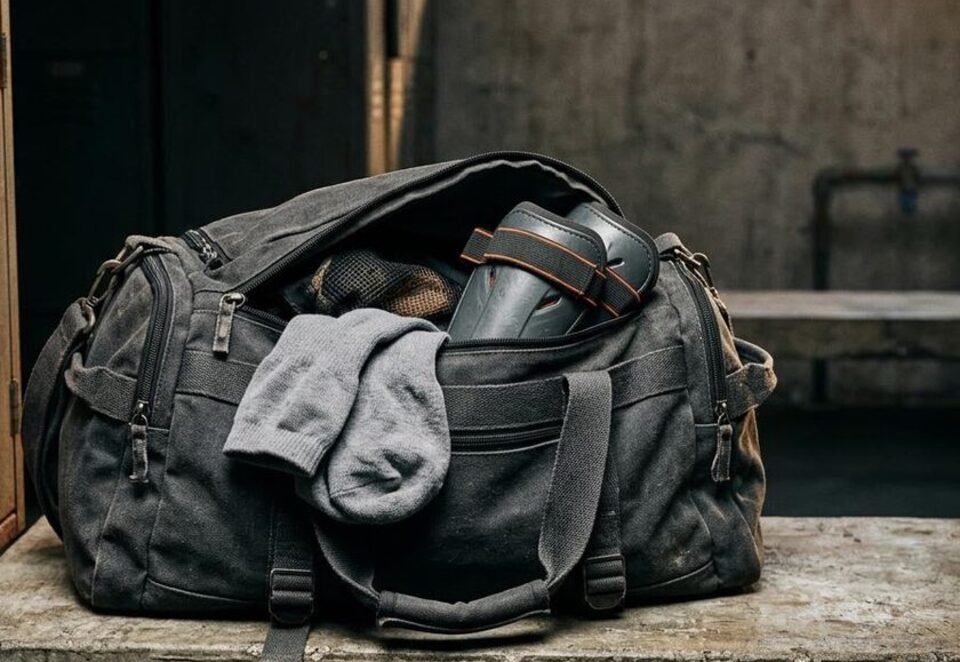
The best bag depends on what you carry, how often you train, and how much gear you actually need.
For players who want a compact, easy-to-carry setup for training and everyday use.
For players carrying more gear, extra clothing, shoes, or equipment.
For tournament weekends and players who regularly travel with a larger amount of gear.
For carrying balls, cones, training equipment, or larger amounts of team gear.
For keeping smaller essentials organized inside a larger bag.
THE STARTING POINT / These are ways to carry gear, not a list of products to buy.
Start with a normal session. Your bag should fit the load, not the other way around.
Cleats, water bottle, ball, and a few personal items.
Cleats, ball, training gear, extra clothing, and personal items.
Multiple layers, extra socks, shoes, snacks, water, and other tournament essentials.
For players or families carrying larger amounts of equipment.
Right-size the routine. The biggest bag is not always the most useful one.
Verified product listings will appear here when available. No prices or recommendations without current source data.
No verified bags picks are available yet. We review exact variants and images before listing a product; purchase links also need a separately verified Amazon destination. Compare real bag dimensions with the gear your player carries. As an Amazon Associate I earn from qualifying purchases.
Seven useful checks before you choose. Start with the player's actual gear and the trips they actually take.
Lay out the player’s normal equipment load. A bag should fit the cleats, ball, clothing and smaller items they actually bring—not an imagined maximum.
A local field, a commute to practice and a tournament weekend can each call for a different setup. Consider the distance, transport and how often the bag moves.
More capacity is not automatically better. A bag much larger than the usual load may be harder to organize and carry.
Look for compartments that solve real problems: shoe storage, room for a ball, accessible pockets or wet/dry separation. Features vary by bag; choose the ones you will use.
Consider straps, handles, padding and the overall carrying design. Think about who carries the bag and how far it has to go.
Look at materials, zippers, stitching and base construction in the context of how the bag will be used and stored. No material is universally the right choice.
Grass, dirt, sweat and wet equipment are part of the routine. Easy-to-clean construction and ventilation can make the reset between sessions more manageable.
Use these as everyday descriptions, not universal dimensions. Compare any real bag with the load you plan to carry.
Best for: Basic training essentials
Best for: Regular training and match days
Best for: Tournament travel and larger gear loads
Best for: Players or families carrying substantial equipment
Sizes are descriptive; check the dimensions of an actual bag before deciding.
The player carries it. The family lives with it.
A good bag should be easy to carry, easy to access, and large enough for the gear you actually use.
Think about organization, durability, cleaning, storage, and whether the bag makes sense for the player's schedule.
A useful starting point, not a requirement to pack everything. Bring what makes sense for this player and this session.
PACK FOR THE DAY / What belongs in a bag depends on the player’s age, team, training environment, and event.
An everyday soccer bag may cover the whole season. A larger travel setup only makes sense if your schedule asks for it.
Let the schedule decide. Not the bag count.
Further reading for the choices that deserve a closer look. Only published guides are linked.
We look at soccer gear through a practical lens: how it fits into the player's routine, what it is designed to carry, how easy it is to organize, and what is worth considering before you buy.
Published bag stories and guides, newest first.
A practical, repeatable packing system for training, games and the trip home.
READ STORYChoose a youth soccer bag by real kit capacity, comfortable carry, wet-gear separation and cleaning needs—not unsupported rankings.
READ STORYUseful starting points. The right answer still depends on the player and their routine.
Start with the gear they normally carry to practice or matches. A small or medium bag may be enough for a regular routine; bigger loads or travel may call for more room. Check the actual bag dimensions against the player and their gear.
A soccer backpack can be convenient for a lighter load and hands-free carrying. A duffel may make more sense for bulky clothing or extra equipment. Choose based on what the player carries and how far they carry it.
Not necessarily. A separate compartment can help keep used cleats away from clean clothing, but a simple bag with an organized packing routine can also work.
Start with the essentials required for that session: appropriate footwear, kit, shin guards and water. Add a ball, extra layers, socks or personal items when the team, conditions and event call for them.
They can be useful for regular travel with a substantial load, especially when the route is suitable for wheels. For lighter everyday use or uneven ground, a smaller carry bag may be simpler.
No. Many players can use one bag for everything. A second, larger bag may help when tournament weekends involve more clothing and supplies than the everyday routine. Let the schedule decide.
Find the gear that fits your game, your routine, and the way you play.
EXPLORE GEAR LAB