MATCH BALLS
Designed for competitive play and match settings.

FIND THE RIGHT BALL FOR THE GAME.
From everyday training to match day, find the right soccer ball for your player's age, level, surface and style of play.
Start with the details that matter most.
Soccer ball size should generally match the player’s age group and competition rules. Exact requirements vary by league and organization.
Commonly used for early play and learning the basics.
Often used in youth competitions and training.
Commonly used by older youth teams and adults.
BEFORE YOU BUY / Check your league or club’s rules. A ball for personal practice should make sense alongside what the player uses in competition.
READ THE FULL SIZE GUIDEMatch and training balls can be designed around different priorities. The right choice starts with how and where you play.
Designed for competitive play and match settings.
Designed for repeated practice and everyday use.
Useful for casual practice, skills work and recreational play.
Designed for indoor or futsal-specific play when required by the facility or competition.
Six questions worth asking before you pick one up.
USE THE BUYING CHECKLISTChoose a soccer ball size that fits the player’s competition and regular practice. Check your league or club’s rules before buying.
Outdoor grass, artificial surfaces and indoor or futsal play can call for different balls. Start with where it will actually be used.
Materials and panel design vary. Compare the feel and intended use rather than assuming one construction is best for everyone.
A match soccer ball may prioritize a particular playing feel; a training soccer ball may prioritize repeated use. Neither label tells the whole story.
For several sessions a week, durability and long-term value may matter more than for an occasional kickabout. Set a budget around actual use.
Leagues and facilities may specify a ball size or other requirements. Confirm what applies to your player and whether the team provides balls.
Construction can influence feel, durability and consistency. There is no single build that is best for every player or surface.
The surface your foot meets. Materials and finish can vary by intended use.
The pieces that make up the ball’s outside; their shape and joining method can differ.
Layers beneath the cover that help give the ball its structure.
The inner chamber that holds air.
The point where air goes in; check it if the ball repeatedly loses pressure.
Different jobs. Different priorities. Neither label makes a ball automatically better for your player.
Primary purpose / Competition and match play.
Primary purpose / Practice and repeated use.
A training ball isn't necessarily a lesser ball. It may simply be designed around the demands of repeated practice.
A choice that feels right on the field should still make sense off it.
“What does the ball feel like?”
“Does it make sense for the season?”
The right ball isn't necessarily the most expensive one. It's the one that fits the player, the purpose and the way it will actually be used.
Only products with a reviewed exact variant and image are listed. Purchase links need a separately verified Amazon destination.
No verified balls picks are available yet. We review exact variants and images before listing a product; purchase links also need a separately verified Amazon destination. Confirm size and surface against your league rules first. As an Amazon Associate I earn from qualifying purchases.
A short reset after play can help keep your ball ready for the next session.
Inflate to the recommended pressure marked on the ball or in the manufacturer’s instructions, and check it before play.
Wipe off dirt with a soft, damp cloth and follow the maker’s care guidance for the material.
Let the ball dry naturally; avoid excessive heat.
Keep it in a suitable, dry place rather than leaving it in a hot car or damp bag.
Notice repeated air loss or inflation issues and inspect the valve before the next session.
A place for the published guides behind the decisions that deserve a closer look.
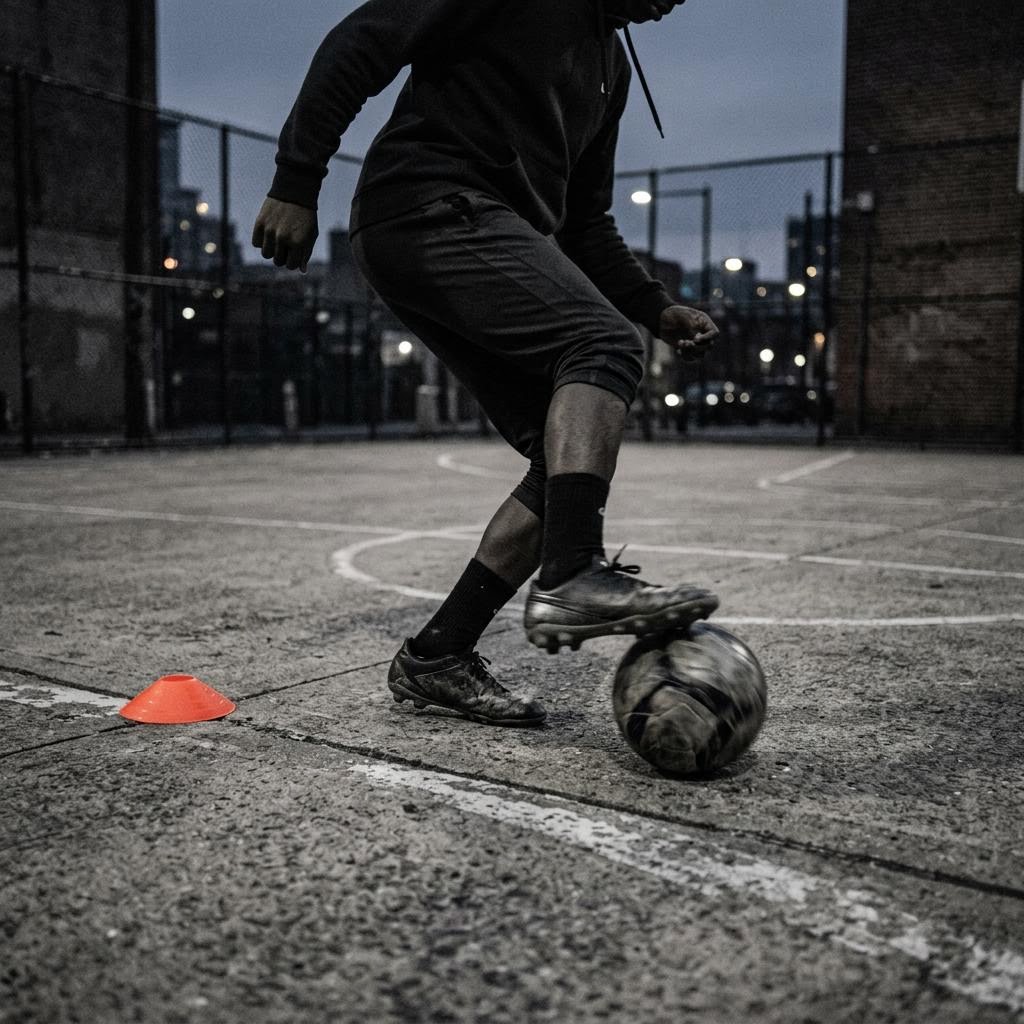
A final buying checklist: decide what you need, try the ball with the player and know when to wait before buying.
READ GUIDE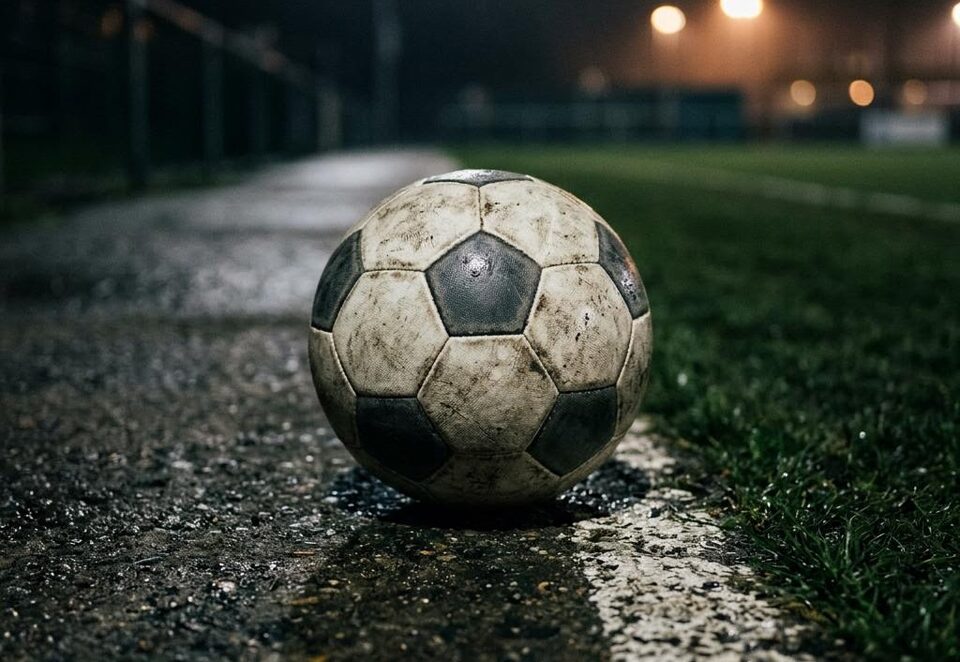
Compare sizes 3, 4 and 5, see one published youth-league example, and learn how to confirm the right match ball for your player's team.
READ GUIDEChoose an everyday training ball for grass, artificial turf or indoor play. Learn what construction labels mean and when futsal rules require a different ball.
READ GUIDEProduct testing and firsthand ball reviews are coming as Soccer Family Guide grows.
Published ball stories, most recent first.
Compare sizes 3, 4 and 5, see one published youth-league example, and learn how to confirm the right match ball for your player's team.
READ GUIDEChoose an everyday training ball for grass, artificial turf or indoor play. Learn what construction labels mean and when futsal rules require a different ball.
READ GUIDEA final buying checklist: decide what you need, try the ball with the player and know when to wait before buying.
READ GUIDEStart here. Then check the rules and instructions that apply to your ball and your player.
Size 3 is commonly used for younger players, size 4 for youth play and size 5 for older youth and adults. Age-group rules vary, so check your player’s league or club requirements first.
Match balls are intended for competition; training balls are designed for regular practice. Their materials and construction may reflect different priorities. A training ball is not automatically a lesser ball.
Check it before play and inflate as needed to the pressure stated on that ball or in its manufacturer’s instructions. How often it needs air depends on the ball, use and storage.
It depends on the ball, the indoor surface and the facility’s rules. Futsal and some indoor competitions require a specific ball, so confirm before bringing an outdoor ball inside.
There is no fixed lifespan. Surface, frequency of use, inflation, construction and care all matter. Replace it when damage, shape or air retention makes it unsuitable for play.
The best soccer ball for a player fits the required size, intended surface, frequency of use and budget. Look for a shape and feel the player can use consistently rather than relying on a label or price alone.
Start with the size, surface and purpose. Then find the ball that fits the way your player actually plays.