
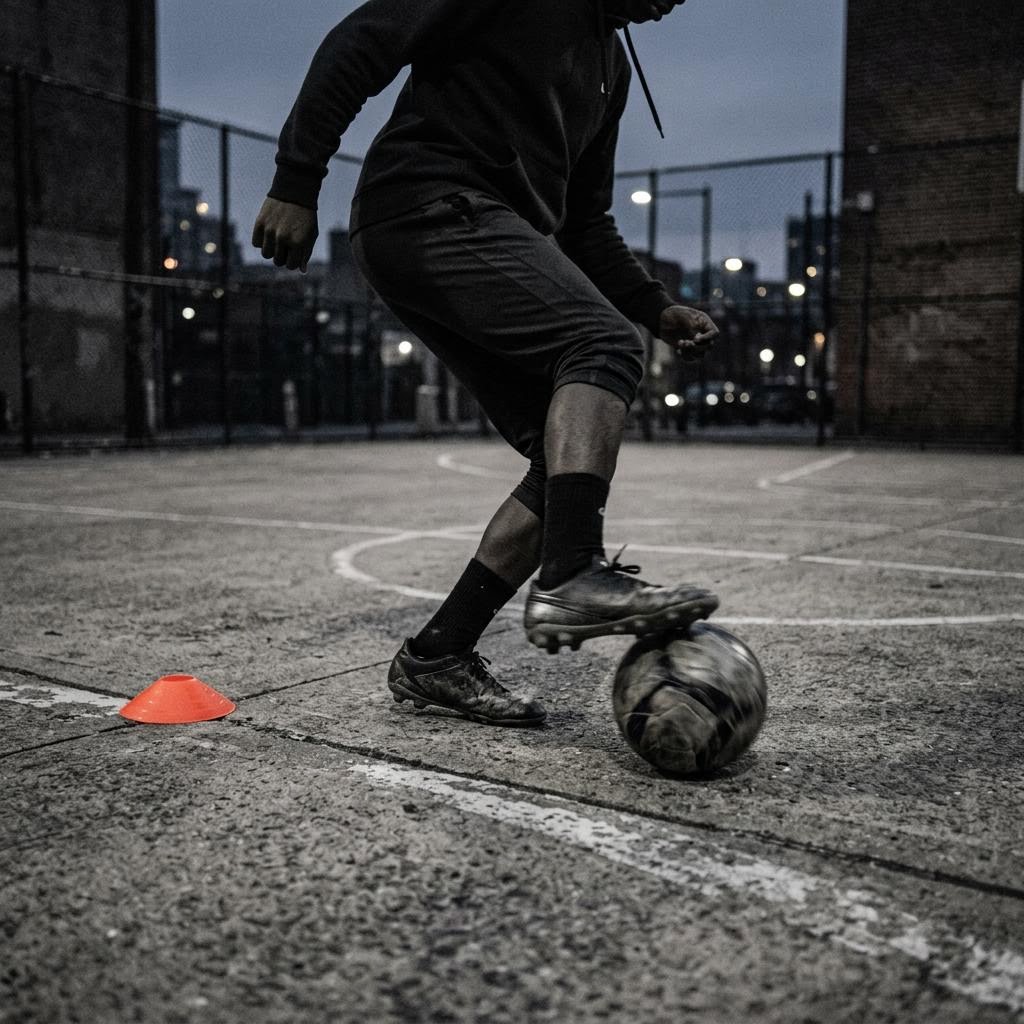
Already narrowed the options? Use this checklist to turn the player's needs into a decision. For league sizes or surface-specific training balls, start with the focused guides below.
01 / Set the job before the budget
Write down who will use the ball, where it will be used most and whether it needs to meet competition rules. Those answers narrow the options before a brand name or premium finish does. If a team supplies match balls, ask what the player actually needs to bring to training.
Do not guess a youth match size from age alone, or assume an outdoor ball belongs on every surface. Use the league-size guide for the competition question and the training-ball guide for grass, artificial turf, indoor and futsal use.
02 / Give the player a short tryout
If you can handle the ball before buying, compare options intended for the same use at the pressure each maker recommends. Have the player make a few passes and first touches. Can they control it comfortably? Does it roll and bounce predictably? That is more useful than judging a ball by a panel-count claim.
Look over the ball for a consistent shape, visible damage and seams that appear intact. A brief tryout is not a durability test; it only helps you rule out a ball that already feels wrong for this player.
03 / Make the final call
Check the exact size and model selected at checkout, the maker's stated surfaces and inflation instructions, and the cost of replacing a ball used often. Compare like-for-like options rather than assuming that a higher price or a match label guarantees better value.
If you cannot confirm the league's requirement or the facility's ball rules, pause before buying a dedicated match or indoor ball. Ask the coach or organizer first. Once those details are settled, choose the ball the player can use regularly and confidently.
Confirm the rules and intended use in the focused guides, then let the player's tryout and your actual budget decide between suitable options.