
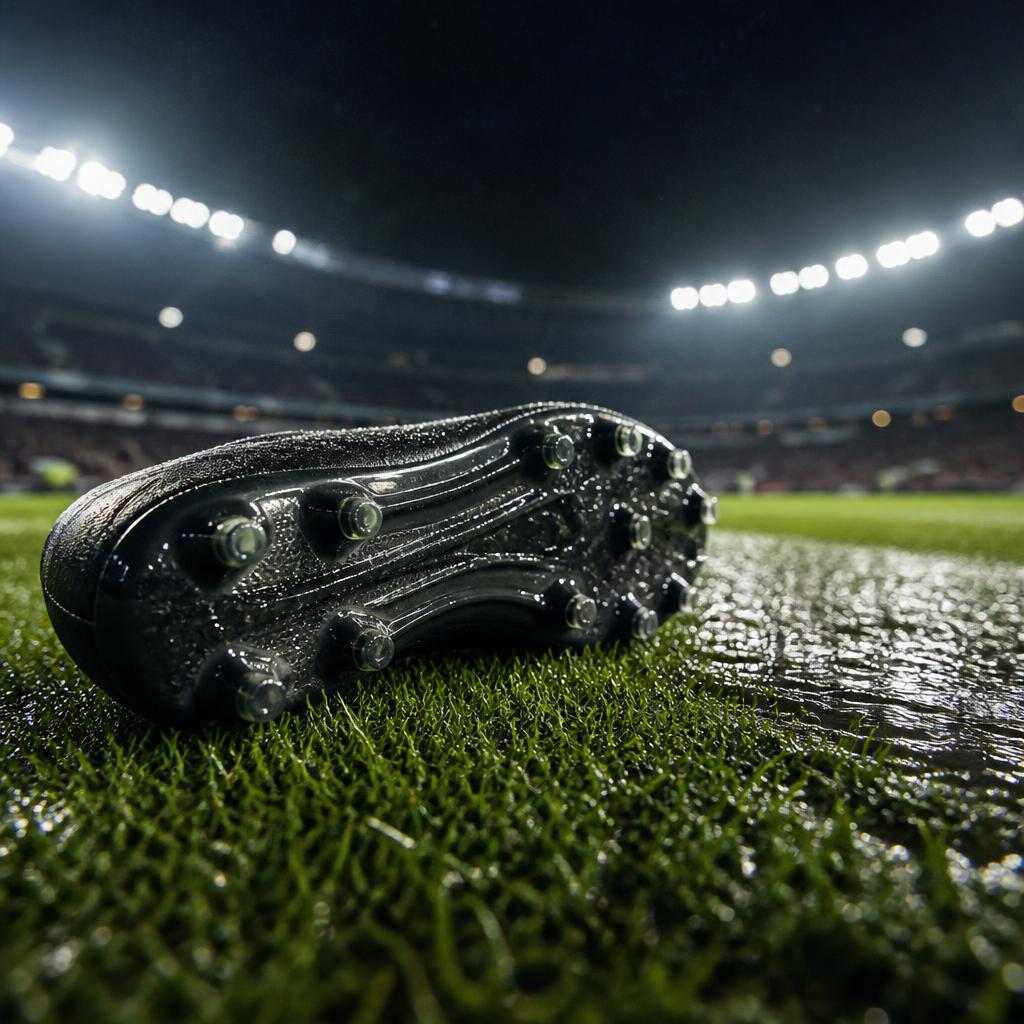
The first question isn't always which soccer cleat is better. It's what surface your player actually plays on.
Firm-ground (FG) and artificial-grass (AG) cleats are designed around different playing surfaces. Understanding that difference can help narrow the options before looking at brands, colors or price.
The right choice depends on the field, the cleat manufacturer's guidance, facility rules and how the cleat fits and feels on the player.
FG vs AG at a glance
Use this as a starting point, not a rule for every outsole or field.
| Comparison | FG | AG |
|---|---|---|
| Designed for | Natural grass | Artificial grass |
| Outsole | Firm-ground configuration | Artificial-grass configuration |
| Starting point | Natural-grass fields | Artificial-grass fields |
| Important consideration | Field condition | Type of artificial surface |
| Final check | Manufacturer + facility | Manufacturer + facility |
What Are FG Soccer Cleats?
Firm-ground (FG) soccer cleats are generally designed for natural-grass fields, where the studs interact with the ground as a player runs, turns and plants. Stud shape and arrangement vary by model, so FG is a starting point—not a guarantee that every pair suits every field.
Field condition matters. Wet or soft grass and unusually hard ground can change how footwear feels. Check the guidance for the exact cleat and any rules for the field you use.
What Are AG Soccer Cleats?
Artificial-grass fields are not all the same. Surface construction, pile, infill, age, maintenance and field design can all vary, so one artificial pitch may feel different from another.
AG outsoles can be designed differently from FG outsoles, but the right recommendation depends on the specific cleat and the field. Check both before deciding.
FG vs AG: What's Actually Different?
The basic difference is the surface each outsole is designed around. Stud configuration affects how the cleat contacts the field and can change how planting and movement feel.
More traction is not automatically better. The aim is a predictable interaction with the surface. How a pair feels depends on the exact cleat, the field and the player.
Can You Use FG Cleats on Artificial Grass?
There is no blanket yes or no. Artificial fields vary, facility rules differ, and cleat manufacturers give recommendations for specific models and outsoles. Some venues may restrict certain footwear. Check the exact field and cleat rather than assuming every FG pair is allowed.
What If Your Player Plays on Both?
Many youth players train and compete on more than one surface. Start with the fields used most often, then check the schedule and rules for games and tournaments. A second pair is an option—not a requirement for every family.
How Should Soccer Cleats Feel?
Pay attention to fit, comfort, pressure points and foot stability. The foot should feel centered, and the cleat should feel comfortable during controlled movement. Ask the player what they notice when walking, jogging, stopping and turning.
If the retailer allows it, try the cleats indoors on a clean surface before playing in them. Check the return policy first. Avoid testing them on a field if that could affect the return.
Player View vs Parent View
A good choice takes both perspectives into account. The player's feedback about feel and movement belongs alongside the family's practical questions about the season.
Player view
What does it feel like?
- Fit
- Comfort
- Touch
- Weight
- Movement
- Confidence in the shoe
Parent view
Does it make sense for the season?
- Price
- Durability
- Growth
- Playing frequency
- Field schedule
- Club and facility rules
- Return policy
The best choice is usually the one that makes sense for both the player and the schedule.
Questions to Ask Before You Buy
Use this checklist to compare a pair with the player's real schedule.
- What surface does my player use most often?
- What surfaces are used for games and tournaments?
- Does the club or facility have footwear rules?
- What does the manufacturer recommend for this exact outsole?
- Does the player find the cleat comfortable?
- Can the cleat be tried on indoors?
- What is the retailer's return policy?
- Will the player likely outgrow the cleat soon?
- Does the price make sense for how often it will be used?
Keep the Decision Simple
Start with the surface. Then check facility rules and the manufacturer's recommendation for that exact outsole. Prioritize fit and comfort, then consider budget and durability. Marketing language does not need to make the choice more complicated.
Start with the field.
FG is generally associated with natural grass, while AG is intended for artificial-grass conditions. But the field's rules and the manufacturer's guidance should decide the final call.
Once the surface is clear, focus on fit, comfort, playing schedule and budget.