
Soccer Gear Every Competitive Youth Player Needs
A practical equipment checklist for competitive youth soccer players, from everyday essentials to tournament and training gear.
Start with what the player uses every session: cleats that fit, shin guards, a ball, a bag and the uniform. Add extras only when they solve a real problem.
Based on published product details and general fitting advice. We have not tested these products. About Soccer Family Guide
The short version
Gear sorts into three tiers. Buying in this order avoids spending on extras before the basics are covered.
- Must have: soccer cleats, shin guards, soccer ball, soccer bag, training clothes, game uniform, socks, water bottle
- Very useful: backup socks, backup clothes, rain gear, warm-up gear, recovery equipment, portable charger, tournament supplies
- Nice to have: a small laundry pouch to separate damp kit, or a bag label to help identify it after a game. Use what you own; neither is essential.
Cleats
Properly fitting cleats matter more than any feature, and the surface decides the soleplate. The two youth models selected for this guide appear below only while their catalog approval and verification checks pass.
Current verified options
Product details come from our verified catalog. The notes under each card are editorial advice and limits, not test results.
Checking the current catalog.
These are not rankings or test results. Confirm size, field rules and price on the listing before buying.
The soccer bag
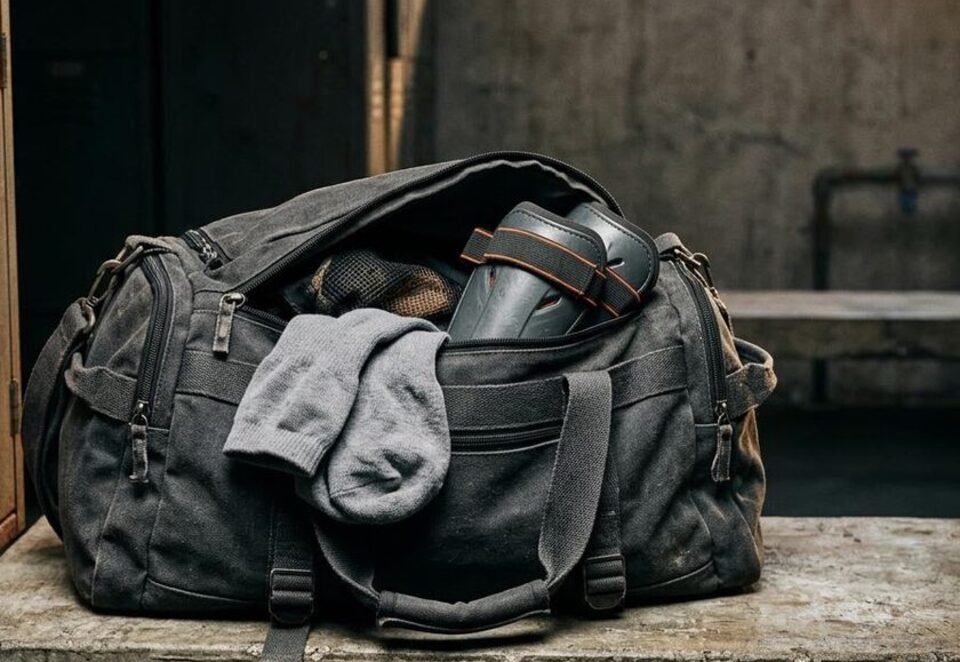
A competitive player’s bag usually holds cleats, shin guards, a ball, a water bottle, spare socks, a towel and a change of clothes. A separate compartment or washable pouch for dirty cleats helps keep the rest clean.
Pack the bag with the player so they can find each item without emptying everything beside the field. Empty damp kit after getting home, check for missing shin guards, and repack the next session’s essentials. A bag the player can carry comfortably is more useful than unused extra capacity.
Ball
Ask the coach or league which ball size the group uses rather than guessing from a generic age chart. Practice with that size when possible, label the ball so it comes home, and check inflation against its manufacturer guidance.
There is no verified ball product in our catalog. You do not need a purchase link to use this advice; a sound, correctly sized ball you already own may be sufficient.
Training gear
Cones can mark a small dribbling route or a passing target. Agility equipment can organize a planned movement session; training bands and rebound equipment are optional tools, not prerequisites for improvement.
Before buying, identify the drill, available space, setup time and storage. Ask the coach whether the tool suits the player, follow manufacturer instructions, and avoid treating a band or agility ladder as a guaranteed performance upgrade. We have no verified training-equipment product to recommend here.
Recovery
Keep recovery simple: a water bottle, a snack, dry clothes and time to rest after sessions and games. Extra recovery gear is optional, and this is not medical advice.
Tournament gear
Compared with one practice or match, a tournament may mean several games, travel and long waits with no chance to go home. Pack required uniform colors, backup socks, a change of clothes and weather layers from the schedule and forecast—not a generic shopping bundle.
Separate the player’s bag from family sideline supplies. Save the schedule and field addresses for offline access, check footwear rules for every venue, and plan where bottles can be refilled. A portable charger helps on a long travel day only if it is charged and has the right cable.
What you do not need to buy
Keep equipment that still fits, works and meets team or venue rules. Ask what a new item will let the player do that the existing kit cannot. A new season or colorway alone is not a reason to replace usable gear.
Do not buy premium versions just because they cost more, and avoid several specialized tools that solve the same practice problem. Borrowing or using team equipment can be a sensible way to find out whether an optional tool will actually be used.
- Expensive gear just because it costs more
- Replacements for equipment that still works
- Several specialized items that do the same job
Building a gear kit on a budget
Inventory what you already own, then buy missing essentials before extras. Ask the team which uniform, sock colors and other items are required and whether it supplies any equipment. These levels organize spending; they are not packages to buy in full.
We do not invent total costs. Verified dated product prices, when available, appear only on the existing cards, and do not establish the cost of the whole kit.
Buying a Christmas gift rather than building a whole kit? Ask what the recipient actually needs, then use our seasonal guide to compare ideas for players, parents and coaches.
| Level | What it covers |
|---|---|
| Starter | Required uniform and training clothes, cleats, shin guards, correct-size ball, socks, water bottle; use a suitable bag you already own |
| Core | Starter plus a bag, backup socks, rain layer, training clothes |
| Full competitive kit | Core plus warm-up gear, tournament supplies, recovery items, a portable charger |
Parent checklist
Print or save this for the season.
- Cleats fit and match the field
- Shin guards fit and are in the bag
- Ball is the right size
- Uniform and training clothes are clean
- Spare socks are packed
- Water bottle is full
- Weather layers are packed
- Tournament supplies are ready
More resources
These pages cover the rest of the season.
Questions, answered
What equipment does a competitive youth soccer player need?
At minimum: cleats, shin guards, a ball, a bag, training and game clothes, socks and a water bottle. Add backup items as the schedule demands.
How many pairs of soccer cleats should a youth player have?
One well-fitting pair that matches the main surface is enough for most players. A second pair can help if the player uses different surfaces or trains very often.
What should a soccer player keep in their bag?
Cleats, shin guards, a ball, water, spare socks, a towel and a change of clothes, plus weather layers when needed.
Does my child need expensive soccer gear?
Not usually. Fit, comfort and suitability for the field matter more than price.
What should I pack for a soccer tournament?
Duplicates of socks and shirts, weather layers, food, water, sun protection and the players’ required gear. See the tournament packing checklist.
Cover the basics first, then add gear only when it solves a real problem for your player.