
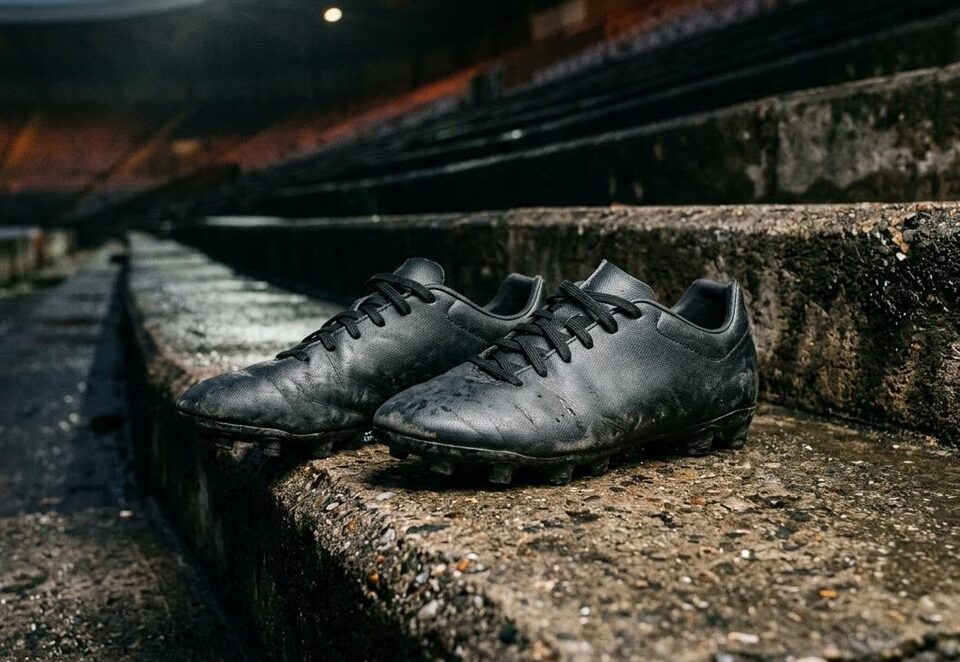
Best Soccer Cleats for Touch
Players use “touch” to mean several things: the feeling when receiving a pass, striking through the ball or carrying it at pace. A boot’s construction can be worth comparing, but the useful buying question is how it fits the player—not whether its name promises a better first touch.
The kids’ firm-ground option below uses laces, a synthetic upper and a cushioned textile sockliner. These verified specifications support a try-on option, not a Best for Touch award or proof of better receiving. Start with the field and the player’s actual fit.
Based on published specifications and fit principles. We have not tested these cleats on the field.
Read upper descriptions without adding a result
The verified synthetic upper and cushioned textile sockliner describe the model’s construction. They do not establish that it is softer, more durable or better at controlling the ball than another boot without suitable comparison evidence.
If the player has a clear preference from an existing pair, use it to ask better fitting questions. Do not turn another person’s preference into a universal ranking.
Current options to compare
Checking the current catalog for options that match this guide.
This is a construction-led option from a limited junior catalog. There is not enough comparative evidence to name a Best for Touch winner.
Who the junior option can help
The current pick is for a player shopping a laced kids’ firm-ground boot with that stated upper and tongue construction. It is an option to compare in the correct size, not a guaranteed solution for every young foot.
If the venue, required fit or sizing does not match, skip it. Do not choose it simply because a small catalog offers only one junior example.
A touch preference cannot override the surface
Confirm the field and read the exact outsole guidance first. An upper that interests a player does not make the sole suitable for an indoor court, short-pile turf or an unapproved artificial-grass venue.
Check any additional artificial-grass permission at model level and against local rules. Do not generalize from the family name or another model’s outsole.
Fit with the setup the player actually wears
Try both boots with match socks and the usual shin-guard setup. Check the toe area, heel hold and whether the laces create pressure. A fit that shifts around is a separate problem from how the upper feels.
Keep fitting within the return policy. Do not expect an unsuitable size or width to become correct after an uncomfortable break-in.
Do not buy your way around receiving practice
The first touch should prepare the next action. Scanning, body position and choosing a receiving direction are trainable decisions, not product specifications.
Avoid claims of extra goals, cleaner passing or instant control from a purchase. Pair a suitable boot with purposeful first-touch practice rather than treating an upper name as a shortcut.
Cleat questions, answered
Does a named upper technology improve first touch?
The technology name alone does not prove an improvement. Check the exact specification and actual fit; practice receiving with a plan rather than relying on an equipment promise.
Is this a leather recommendation?
No. The verified KI0666 listing specifies a synthetic upper; do not infer leather from the product name or appearance.
Should I choose touch over speed?
Neither marketing category should override fit and field permission. Use the player’s preferences as fitting questions, not as evidence that one category improves a skill.
An upper description can help build a shortlist. A better first touch still needs practice.