
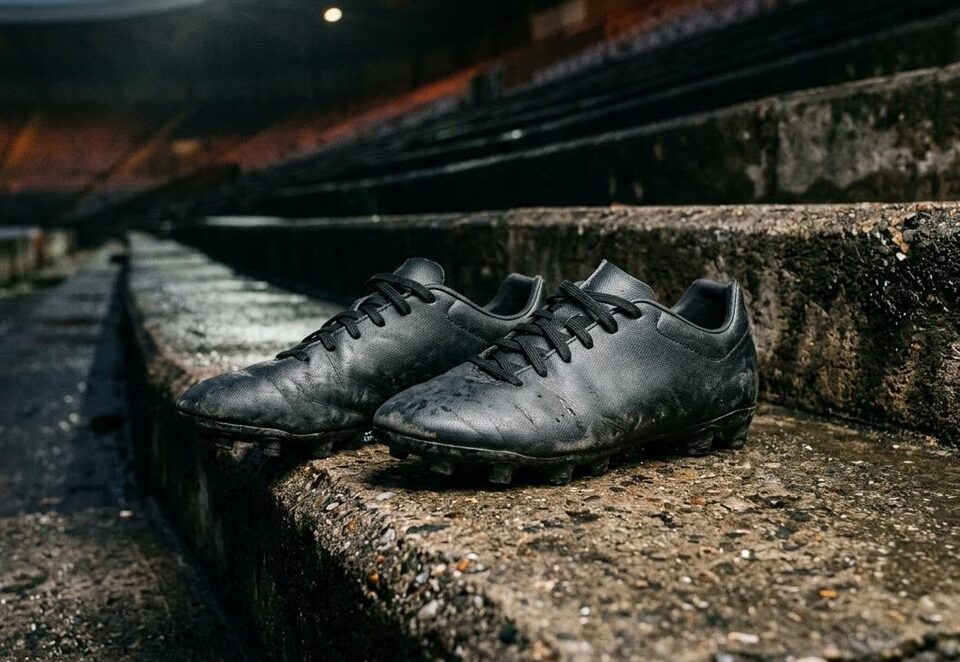
How to Choose Soccer Cleats for Youth Players
A useful cleat fitting starts before you open a shopping page. Know the fields, measure the feet and decide what the player actually needs to change about the current pair. That makes a wall of similar-looking boots much easier to narrow down.
Use this order: surface permission, size and fit, secure closure, practical budget, then preferences about the upper and appearance. Do not let a sale price or a speed claim move a failing pair back onto the shortlist.
Based on published specifications and fit principles. We have not tested these cleats on the field.
Build a short buying checklist
First, identify the practice and match surfaces and ask which footwear is allowed. Next, measure both feet using the retailer’s instructions and the exact model’s size chart. Finally, set a budget that includes the possibility of a return or exchange.
Write down what is wrong with the current pair: toe pressure, a slipping heel, a closure the player cannot manage, or a mismatch with the new field. Address that specific problem rather than buying a new feature for its own sake.
Current options to compare
Checking the current catalog for options that match this guide.
The verified junior catalog is small. No recommendation is forced for a missing size, wide fit or unsupported surface.
A shortlist is useful only when the player can use it
The current recommendation is a verified junior FG option. It is a starting point for comparing construction and trying fit, not permission to use it at every field or proof it will suit this player.
If that range does not cover the required size, width or surface, leave it out. A guide should help you reject unsuitable boots as much as help you find one.
Match the sole to the field
Read the FG, AG, MG or turf designation and its model-specific explanation. The right outsole for a regular practice venue may differ from the one needed at a tournament.
Do not rely on a product-family name. Different junior, adult and surface variants can look similar while carrying different specifications.
Try the complete match setup
Wear the socks used for games and fit the shin guards as usual. Check heel hold, toe space and whether fastening the boot creates pressure. Try both feet; a comfortable left boot does not establish the right boot’s fit.
Keep the fitting within the retailer’s return conditions. Do not expect an uncomfortable pair to become the correct size after a painful break-in, and do not assume choosing a longer size fixes a width problem.
Spend for a reason you can explain
An upper material, tongue design or closure can be a preference. It is not automatically evidence of better control, speed or durability. Compare the verified specification with the buying problem you wrote down.
Check return terms and size-specific availability before paying. A catalog price is a dated observation, not a guarantee of today’s offer. Remember that socks, an appropriate ball and regular practice also belong in the budget.
Cleat questions, answered
Should I size up for growing feet?
Do not automatically buy a substantially oversized boot. Follow the size chart and check real heel hold and toe space. Recheck fit during the season instead of treating extra length as a substitute for fitting.
Do expensive uppers improve ball control?
A material description does not prove that a player will control the ball better. Consider feel and fit during a permitted fitting, and work on receiving and passing in practice.
When should I replace the current pair?
Reassess when fit, fastening, condition or required surface compatibility no longer works. A new color release alone is not a reason to replace a suitable pair.
A good purchase solves an identified problem. Keep the checklist short enough to use in the shop.